
Navis WSS103/PULSE Wind Speed Sensor (0.6-50 m/s)
Manufacturer: NAVIS ELEKTRONIKASKU: HIP-WIATROMIERZ
1617,19 zł net
≈ 370 € (settled in PLN, NBP rate of 2026-10-02)
Net price for businesses — after logging in
Made to order
Fast delivery
Shipping from the Solmix warehouse
Manufacturer's warranty
Original, new product
VAT invoice
For every order
14-day returns
No reason required
- Category
- Energetyka wiatrowa
- Manufacturer
- NAVIS ELEKTRONIKA
- SKU
- HIP-WIATROMIERZ
- Availability
- Made to order
The Navis WSS103/PULSE wind speed sensor is an anemometer with a pulse output designed for wind power systems. The device features a measuring range from 0.6 to 50 m/s and a very low starting threshold of 0.5 m/s.
The Navis WSS103/PULSE anemometer utilizes a Hall effect sensor for accurate wind speed measurement. The output signal is a frequency type with a constant conversion factor of 4.0 Hz per 1 m/s. The device housing is made of anodized aluminum, and the replaceable cups are made of polyamide. The design allows for easy replacement of bearings and measuring cups directly on-site.
Key features
- Low starting threshold of 0.5 m/s
- Built-in reverse polarity and surge protection
- Replaceable precision stainless steel ball bearings
- Linear output curve and accuracy of +/- 0.15 m/s or 1.5%
Technical data
| Measuring range | 0.6 - 50.0 m/s |
| Starting threshold | 0.5 m/s |
| Supply voltage | 5 - 30 V DC |
| Power consumption | 5 mA |
| Output frequency | 4.0 Hz / m/s |
| Operating temperature | -40 - +60 °C |
| Connection cable | Liyy 3 x 0.34 mm² (5 m) |
| Mounting | tube with an outer diameter of 20 mm |
| Net thickness | 122 mm |
| Weight | 260 g |
Frequently asked questions
Jakie jest napięcie zasilania i pobór prądu dla tego czujnika?+
Czujnik wymaga napięcia zasilania w zakresie od 5 do 30 V DC, a jego pobór prądu wynosi 5 mA.
Jak fizycznie montowany jest czujnik Navis WSS103/PULSE?+
Urządzenie jest przystosowane do bezpośredniego montażu na rurze o średnicy zewnętrznej 20 mm.
Z jakich materiałów wykonano anemometr?+
Obudowa czujnika wykonana jest z anodyzowanego aluminium, natomiast wymienne czasze z poliamidu (PA). Łożyska to precyzyjne elementy ze stali nierdzewnej.
Similar products
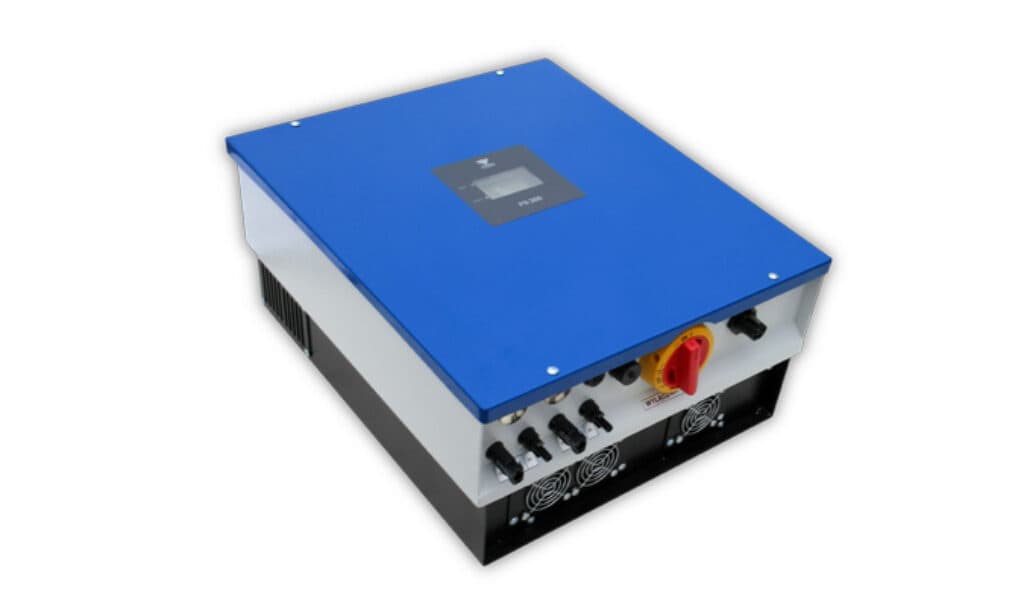
TWERD
Falownik wiatrowy Twerd PS300-WT (5 kW, 3-fazowy)
12 295,19 zł netto
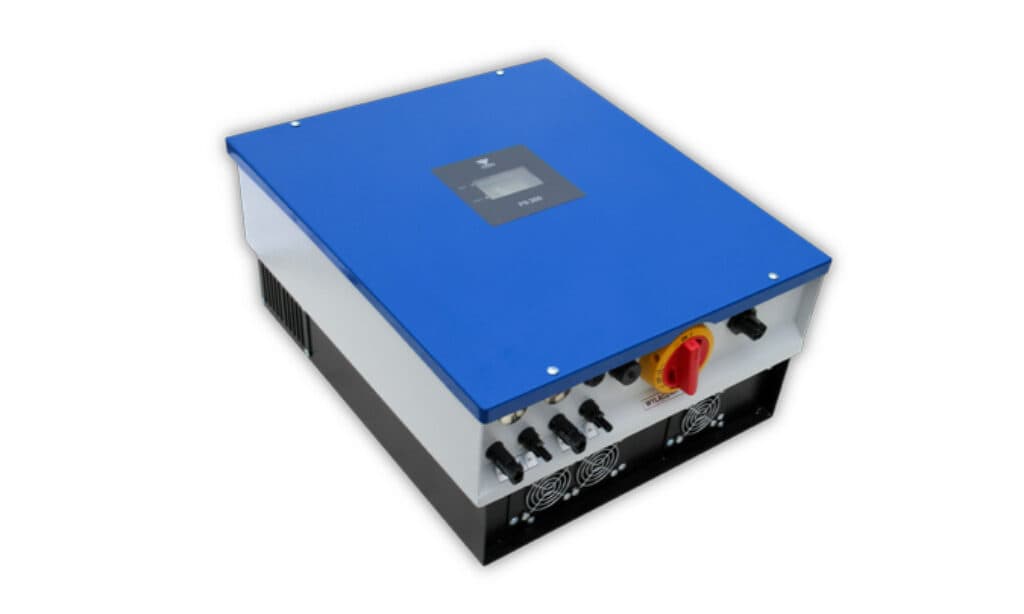
TWERD
Falownik wiatrowy Twerd PS300-WT (3 kW, 3-fazowy, on-grid)
12 114,90 zł netto
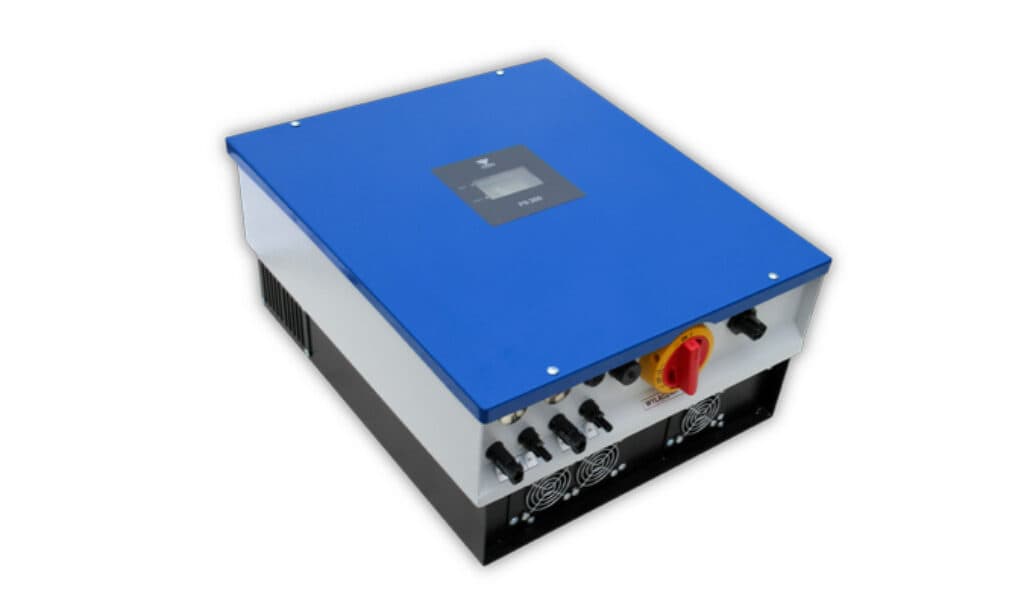
TWERD
Falownik wiatrowy Twerd PS300-WT (10 kW, 3-fazowy, on-grid)
16 225,31 zł netto
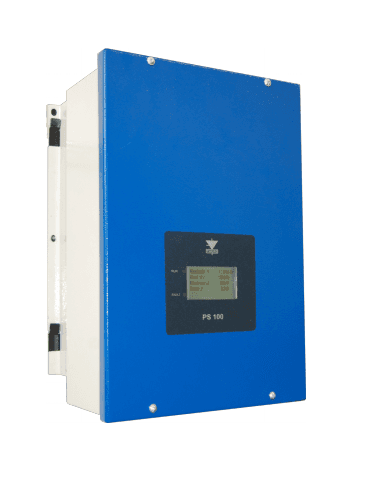
TWERD
Inwerter wiatrowy Twerd PS100-WT 3kW (1-fazowy, on-grid)
6922,50 zł netto